Guide · Updated September 2026
What is generative engine optimization (GEO)?
Generative engine optimization (GEO) is the work of getting your product described and cited correctly inside AI-written answers from ChatGPT, Perplexity, Gemini and Google AI Mode. It builds on SEO: the page still has to be found, and then it has to be the passage the answer quotes.
GEO, AEO, AI search optimization and LLM SEO
These names describe one job. Answer engine optimization (AEO) came first, aimed at featured snippets and voice assistants. Generative engine optimization (GEO) was named in a 2023 research paper about AI search engines. AI search optimization and LLM SEO are the terms marketers use for the same work. This guide uses GEO.
| Term | Aims at |
|---|---|
| SEO | A ranked link in search results |
| AEO | A direct answer box, snippet or voice reply |
| GEO / AI search optimization / LLM SEO | Being quoted and cited inside an AI-written answer |
How AI answers pick their sources
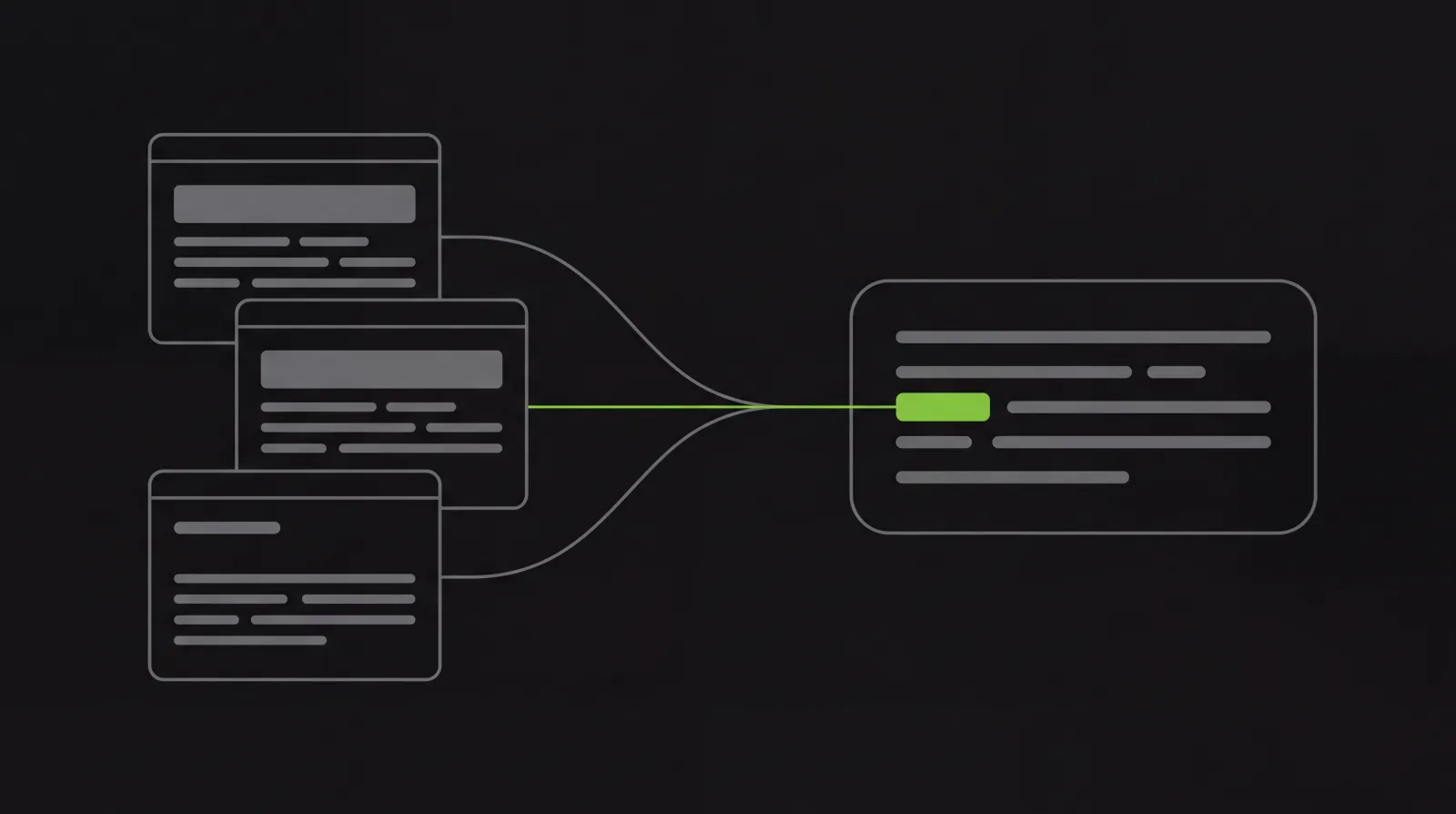
When someone asks ChatGPT search, Perplexity, Gemini or Google AI Mode a question, the system searches an index, reads a handful of pages, and writes an answer from them. Some of those pages get a visible citation. A page can only be cited if it was crawled and indexed, and it is more likely to be used when one passage answers the question directly without the reader needing the rest of the page.
What the research found
The paper that named GEO (Aggarwal and others, “GEO: Generative Engine Optimization”, 2023) tested changes to web pages against a generative search engine. Adding quotations, statistics and cited sources raised how visible a page was in the generated answers, by up to about 40% in their tests. Stuffing keywords did not help.
A GEO checklist for app and SaaS websites
- Let the crawlers in. Check robots.txt allows search and AI crawlers such as Googlebot, Bingbot, OAI-SearchBot, ChatGPT-User, PerplexityBot and ClaudeBot, and publish an XML sitemap.
- Define the product once, in plain words, on the home page: what it is, who it is for, and what it is not. If your name collides with another meaning, say so.
- Phrase headings as the questions buyers ask, and answer each one in the first 40 to 60 words beneath it.
- Back claims with numbers, dates and named sources. Engines lean toward passages they can cite with confidence.
- Add structured data: Organization and SoftwareApplication on the home page, FAQPage where you answer questions, and BreadcrumbList on inner pages.
- Use one exact product name everywhere: site, App Store listing, social profiles and directories.
- Keep the App Store listing and the website telling the same story. AI answers about apps often draw on both.
How to measure GEO
Write down 10 to 20 questions a buyer would ask. Ask each one in ChatGPT, Perplexity, Gemini and Google AI Mode, and record whether your site is cited and how the product is described. Repeat on the same schedule every month. Each run is a sample from one day, so look for a trend across runs. Google Search Console also counts clicks and impressions from AI Overviews and AI Mode within its normal web performance data.
Where PROMACHOS fits
PROMACHOS reads your website and App Store listing together (read both surfaces), names the missing answers (name the gaps), and drafts the answer pages, definition blocks and structure into a review queue. You publish them yourself.